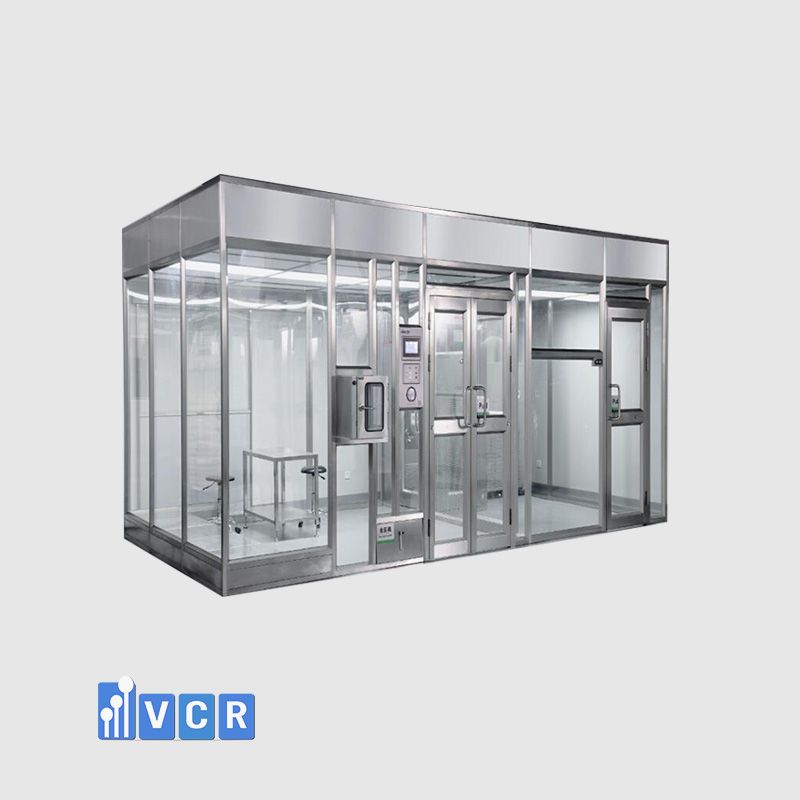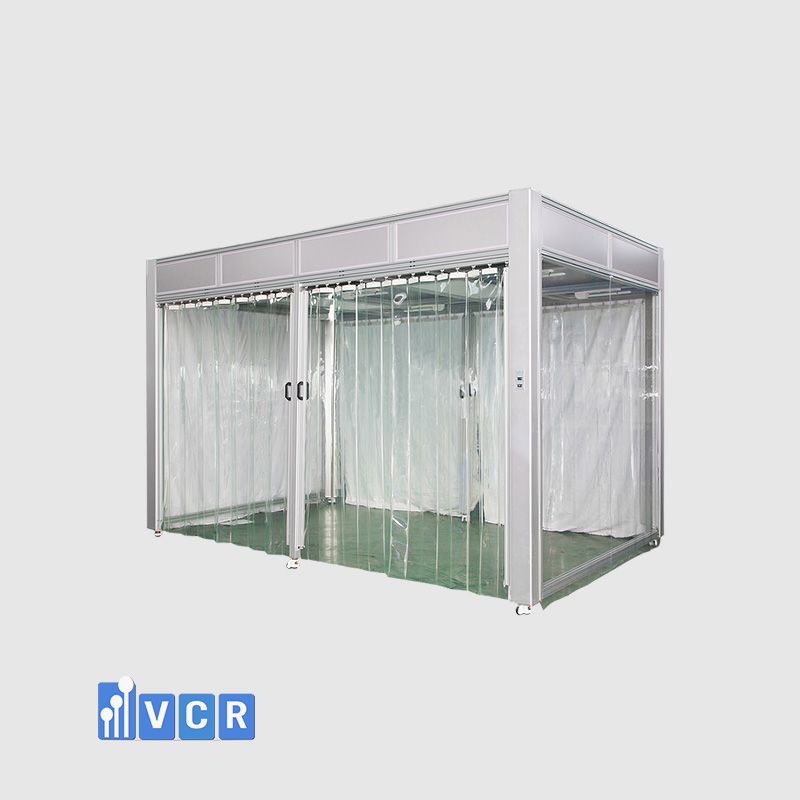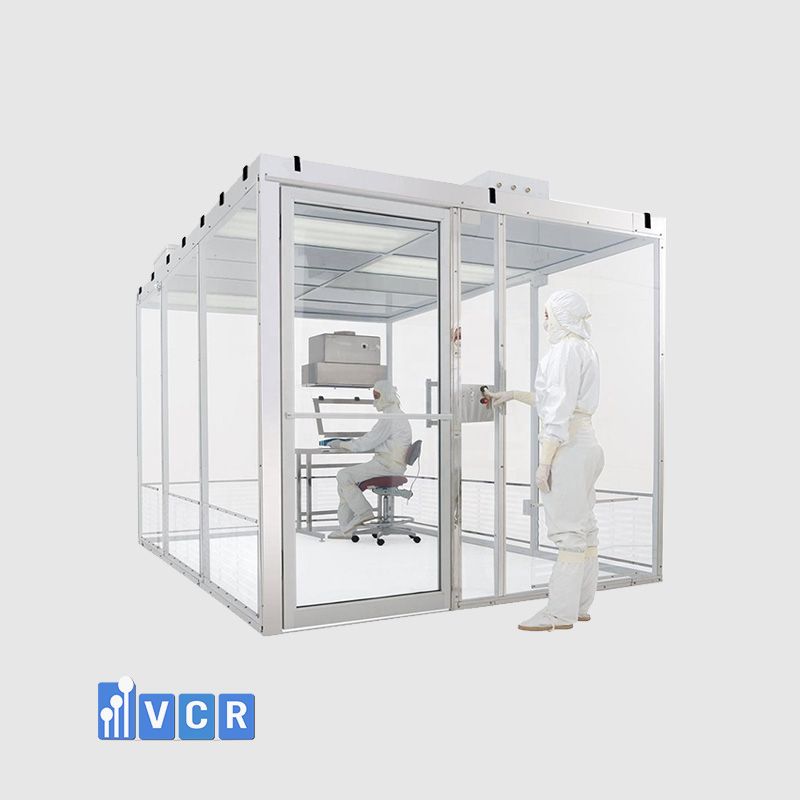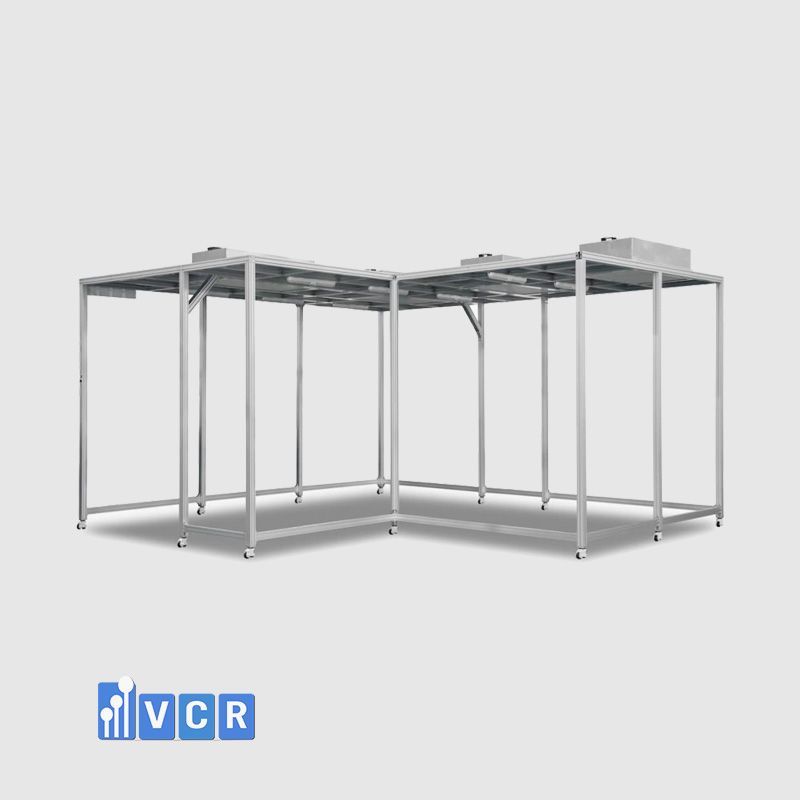

- What is airflow in an electronics cleanroom?
- Why is airflow the most critical factor in electronics cleanrooms?
- What are the main airflow types in electronics cleanrooms?
- How to design optimal laminar flow?
- How to design optimal turbulent flow?
- How is airflow related to ACH?
- How does airflow affect pressure differential?
- How to avoid dead zones in airflow design?
- What is the role of HEPA/ULPA in airflow?
- How do FFUs influence airflow?
- Is CFD simulation necessary for airflow design?
- What are common mistakes in airflow design?
- How does airflow affect energy consumption?
- How to balance airflow in a cleanroom?
- Does airflow require periodic validation?
- How does airflow affect electronic products?
- Should laminar flow be used for the entire cleanroom?
- How does cleanroom layout affect airflow?
- How to optimize airflow in electronics cleanrooms?
- What does airflow ultimately determine in a cleanroom?
In real-world implementation, “Vietnam Cleanroom equipment VCR” recognizes that airflow is not simply about air supply and return, but the “operational logic” of the entire cleanroom. A properly designed airflow system removes particles efficiently, minimizes cross-contamination, and stabilizes production quality, whereas poor airflow design can cause a cleanroom to fail despite having a well-functioning HVAC system.
What is airflow in an electronics cleanroom?
Airflow refers to how clean air is supplied, distributed, and returned within a cleanroom according to a controlled design logic. It determines how particles move, are removed, or become re-contaminants. In electronics cleanrooms, airflow is defined not only by air volume but also by direction, velocity, and stability. A well-designed airflow system ensures particles do not settle on product surfaces and maintains consistent environmental conditions in compliance with ISO 14644 during operation.
Why is airflow the most critical factor in electronics cleanrooms?
In electronics manufacturing, defect-causing particles can be extremely small, even at micrometer levels or below. Airflow determines whether these particles are immediately removed or remain suspended and eventually contaminate products. Poor airflow design can create turbulence, dead zones, or reverse flows, reducing filtration effectiveness even if HEPA systems are functioning properly. Therefore, airflow directly impacts product quality and yield.
What are the main airflow types in electronics cleanrooms?
There are two main airflow principles: laminar flow and turbulent flow. Laminar flow provides unidirectional, stable airflow that removes particles efficiently from critical zones. Turbulent flow creates mixed airflow and relies on dilution to reduce particle concentration. In practice, most cleanrooms combine both approaches—laminar flow for critical areas and turbulent flow for support areas—to optimize performance and cost.
How to design optimal laminar flow?
Optimal laminar flow requires continuous, uninterrupted unidirectional airflow. This is typically achieved through full ceiling HEPA/ULPA coverage or evenly distributed FFUs. Air velocity must be controlled within specified ranges to effectively sweep particles away. Equipment layout must also be carefully planned to avoid obstructing airflow and creating turbulence or stagnant zones.
How to design optimal turbulent flow?
Turbulent flow design must ensure uniform air distribution throughout the space. Supply and return air locations should be optimized to avoid dead zones. ACH plays a critical role, as turbulent systems rely on dilution rather than directional airflow. A well-designed system ensures continuous air mixing and replacement.
How is airflow related to ACH?
ACH represents how often air is replaced, while airflow determines how it moves. Both must be designed together. A system with high ACH but poor airflow may still fail to achieve required cleanliness because particles are not effectively removed. Airflow determines quality, while ACH supports cleaning speed.
How does airflow affect pressure differential?
Airflow determines the balance between supply and return air, which creates pressure differentials between zones. Proper design maintains positive pressure in clean areas, ensuring air flows from clean to less clean zones and preventing contamination ingress.
How to avoid dead zones in airflow design?
Dead zones can be avoided by ensuring uniform air distribution and minimizing obstructions. Computational Fluid Dynamics (CFD) simulation is an effective tool to identify weak airflow regions and optimize design before construction. Dead zones are critical contamination risks and must be eliminated during design.
What is the role of HEPA/ULPA in airflow?
HEPA/ULPA filters provide the final stage of clean air delivery. In laminar systems, their density and placement determine airflow uniformity. Poor filter arrangement can disrupt airflow and reduce particle control efficiency.
How do FFUs influence airflow?
FFUs (Fan Filter Units) help distribute air evenly and create localized clean airflow. In modular cleanrooms, FFUs allow flexible airflow control by adjusting unit quantity and placement, directly affecting ACH and airflow quality.
Is CFD simulation necessary for airflow design?
Yes. CFD simulation predicts airflow patterns, identifies turbulence, and detects dead zones before construction. It is a critical tool for validating and optimizing airflow design.
What are common mistakes in airflow design?
Common mistakes include focusing only on ACH while ignoring airflow direction, poor equipment layout that blocks airflow, and lack of CFD validation. These issues can lead to ineffective particle control despite meeting design specifications.
How does airflow affect energy consumption?
Poor airflow design often requires higher ACH to compensate, increasing energy consumption. Optimized airflow reduces the required air volume and improves HVAC efficiency, lowering operational costs.
How to balance airflow in a cleanroom?
Airflow balance is achieved by adjusting dampers, controlling supply and return air volumes, and using automated control systems. Proper balancing ensures uniform air distribution and stable pressure differentials.
Does airflow require periodic validation?
Yes. Airflow must be regularly validated through air velocity measurements, smoke tests, and particle counting. This ensures the system operates according to design and meets ISO 14644 requirements.
How does airflow affect electronic products?
Poor airflow can allow particles to settle on product surfaces, causing defects. Optimized airflow reduces contamination risk and improves product reliability and yield.
Should laminar flow be used for the entire cleanroom?
No. Full laminar flow design is costly and often unnecessary. The optimal approach is to apply laminar flow only in critical zones and use turbulent flow in support areas.
How does cleanroom layout affect airflow?
Layout directly influences airflow patterns. Equipment placement and personnel movement must be aligned with airflow design to avoid disruption and maintain effective contamination control.
How to optimize airflow in electronics cleanrooms?
Optimization involves proper design, CFD validation, appropriate equipment selection, and smart operational control. Advanced control systems can dynamically adjust airflow based on real-time conditions, improving efficiency while maintaining cleanliness.
What does airflow ultimately determine in a cleanroom?
Airflow determines particle control effectiveness, environmental stability, cleanliness level, and product quality. It is the most critical factor in cleanroom design and directly impacts manufacturing performance.
Duong VCR