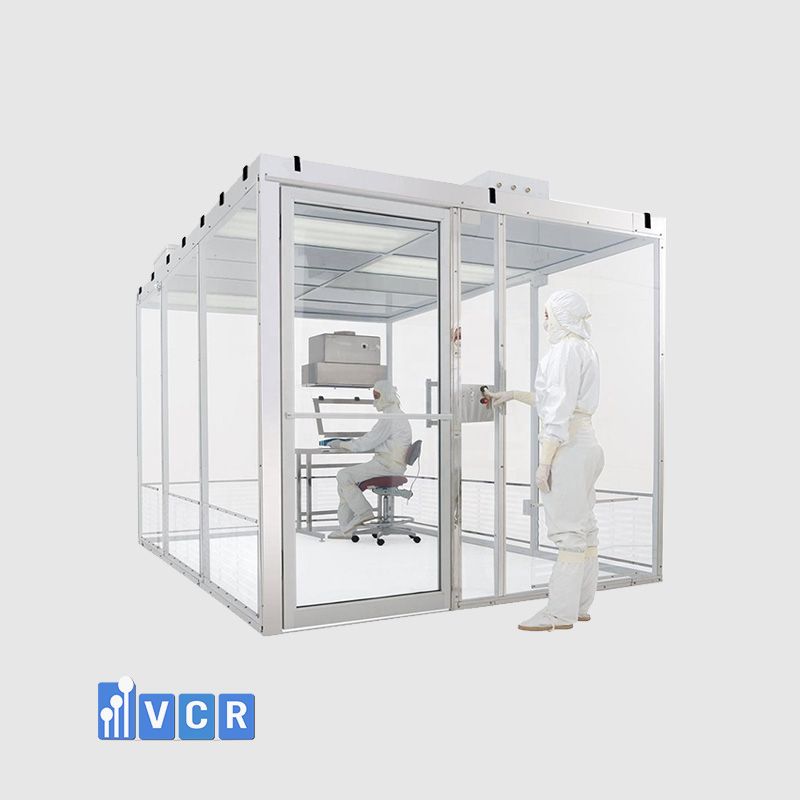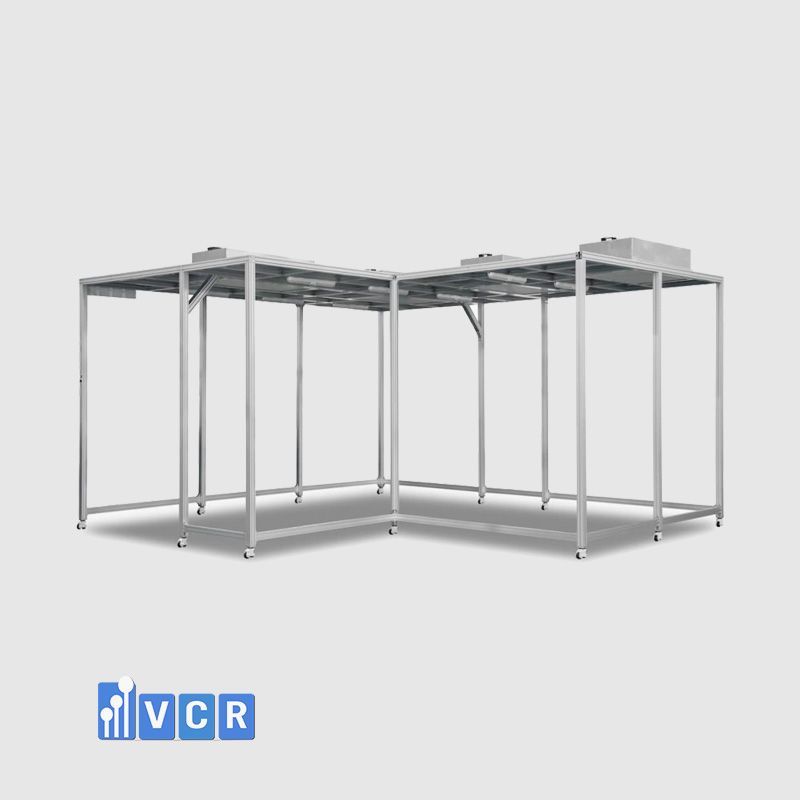

- 1. Improper Air Filtration System Design for ISO Cleanroom Levels
- 2. Poor Airflow Layout That Disrupts Unidirectional Flow
- 3. Lack of ESD Control from the Design Phase
- 4. Summary Table of Common Errors and Solutions in SMT Cleanroom Design
- 5. Frequently Asked Questions
- 6. Avoid Costly Design Mistakes - Save Millions with the Right Plan
In the electronics manufacturing industry, SMT cleanroom design plays a key role in ensuring the quality of soldering, chip mounting and product reliability. However, many factories still make basic mistakes in the design process such as choosing the wrong type of air filter, unreasonable FFU arrangement or miscalculating the air flow according to ACR standards. This article will point out 3 common mistakes when designing SMT cleanrooms, helping businesses optimize production efficiency and meet ISO 14644 standards.
1. Improper Air Filtration System Design for ISO Cleanroom Levels
In SMT cleanrooms, maintaining a stable cleanliness level is essential to ensure soldering and component placement quality. A common mistake is selecting the wrong type of air filtration device, which fails to meet ISO 14644 requirements.
Common issues:
- Installing HEPA Boxes instead of FFUs in areas requiring ISO 5-6 leads to unstable airflow and insufficient laminar flow velocity, disrupting the clean environment at chip placement stations.
- Failure to calculate air change rates (ACR) per standards results in low air turnover, increasing recovery time after door openings or operator activity.
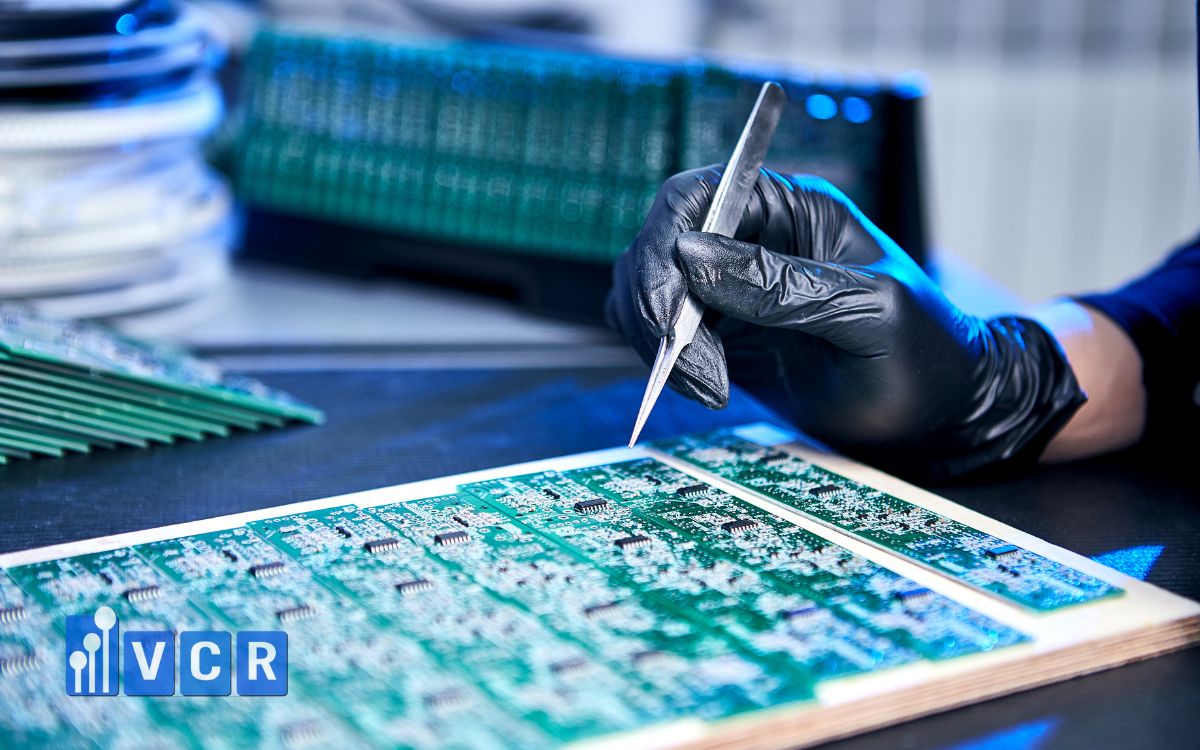
Recommended solutions:
- Define cleanliness levels clearly by zone: for example, printing and pick & place areas should meet ISO 6-7, while BGA mounting areas should meet ISO 5.
- Install FFUs (Fan Filter Units) with H14 HEPA filters in critical zones to maintain consistent airflow and remove 99.995% of 0.3 µm particles.
- Design proper air return systems and balance pressure in accordance with ISO 14644, ensuring cleanroom efficiency.
Suggested equipment:
- FFU for ISO 5-6 SMT areas: Ideal for spaces requiring high-speed unidirectional airflow.
- HEPA Box: For hallways and support zones not requiring laminar flow.
See more: Lighting requirements in electronic testing areas
2. Poor Airflow Layout That Disrupts Unidirectional Flow
A fundamental principle in SMT cleanroom design is maintaining airflow from the cleanest to less clean zones. Poor layout decisions can undermine the entire filtration system’s effectiveness.
Common issues:
- Illogical airflow layout: FFUs installed too close to walls, no clean corridor, leading to disrupted airflow paths.
- Dust re-circulation due to turbulence and particle build-up in “dead corners” where airflow stagnates.
- Electrostatic charge is not adequately expelled, increasing the risk of ESD damage to microchips during placement or AOI inspection.
Recommended solutions:
- Design top-down airflow systems: air should flow from ceiling-mounted FFUs and be exhausted through floor-level or low-wall return ducts.
- Create clean corridors: arrange FFUs in rows centered in the room rather than along walls to ensure even distribution and minimize turbulence.
- Align machinery with airflow: place pick & place, reflow ovens, and AOI stations along the clean airflow path to reduce contamination.
Technical tip:
- Maintain at least 60-80 cm between FFUs and walls.
- Install air returns along floor edges or integrated floor grills for efficient particle extraction.
3. Lack of ESD Control from the Design Phase
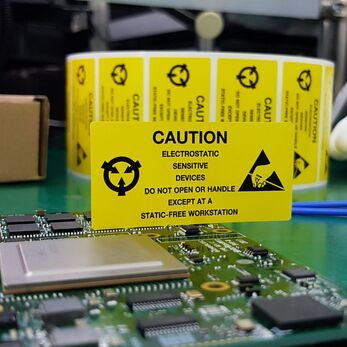
In SMT factories working with sensitive components like ICs, BGAs, and QFNs, static control is mandatory. Yet many facilities overlook ESD until after construction, leading to high retrofitting costs and operational inefficiencies.
Common issues:
- Anti-static measures are not integrated into initial layout plans, complicating later installation of grounding systems or conductive flooring.
- Reliance on ESD wrist straps or mats alone, which offer minimal protection and are often misused.
- Absence of ionizers: electrostatic buildup from handling or airflow remains uncontrolled, posing risks to chip integrity.
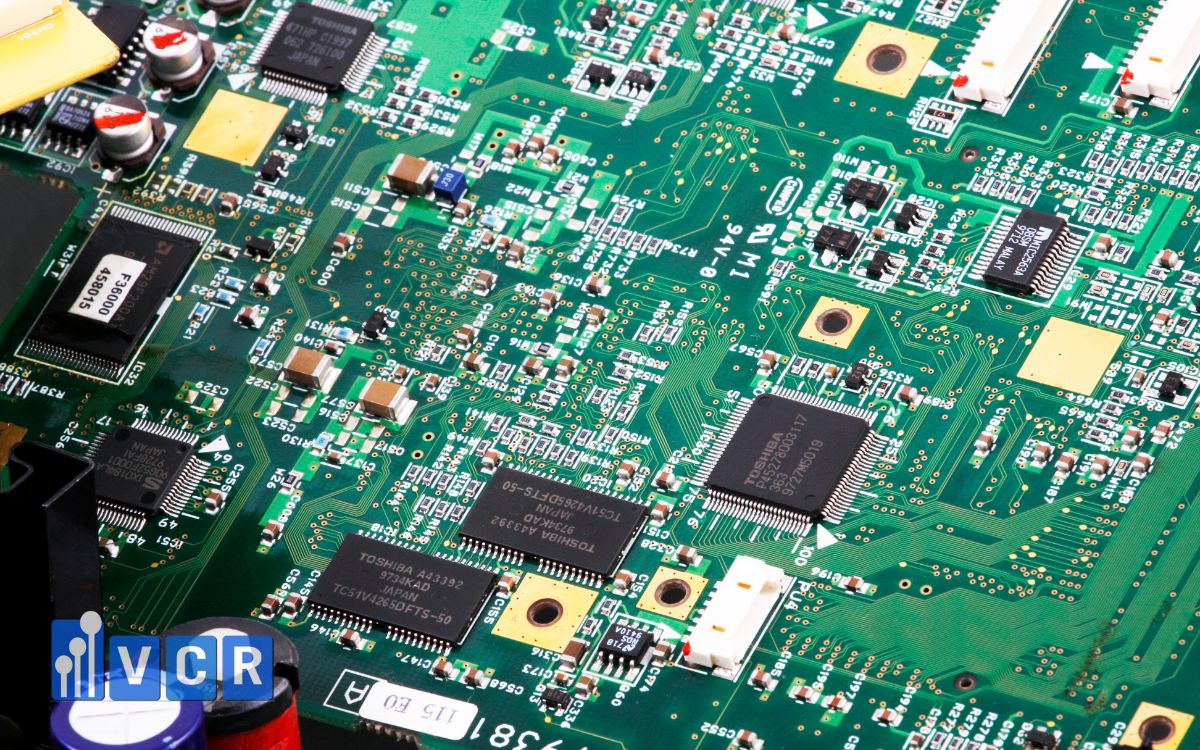
Recommended solutions:
- Specify anti-static flooring in architectural plans (resistance between 10⁶-10⁹ Ω), using vinyl ESD, ESD epoxy, or conductive tiles.
- Use stainless steel work surfaces or ESD-approved mats, grounded according to IEC 61340-5-1.
- Install ionizers at pick & place and reflow stations, and combine with HEPA filters to avoid backflow of particles.
- Develop a clear ESD SOP, assign responsibilities, and train staff regularly (e.g., wrist strap testing at shift start).
Integration tips:
- Use ceiling or benchtop ionizers along SMT lines.
- Deploy automatic wrist and footwear testers in airlock zones for full compliance.
See more: ISO 5 quality control room design
4. Summary Table of Common Errors and Solutions in SMT Cleanroom Design
|
Common Issue |
Root Cause |
Impact |
Solution |
|
Improper air filtration |
Using HEPA Box instead of FFU |
Fails ISO classification, high energy cost |
Choose correct filtration per ISO 14644 by cleanroom zone |
|
Disrupted airflow |
Poor layout, no unidirectional top-down design |
Dust backflow, static buildup |
Design airflow from ceiling to floor with proper zoning |
|
No ESD control |
No ionizers, lack of anti-static materials |
Chip failure, data loss |
Include ESD-safe design from planning phase and SOP compliance |
5. Frequently Asked Questions
1. Should SMT cleanrooms use FFUs or HEPA Boxes?
→ Use FFUs in primary work zones such as soldering and chip mounting where laminar flow and high cleanliness levels are required.
→ HEPA Boxes are suitable for support zones and hallways where airflow velocity is not critical.
2. What is the minimum cleanroom level for SMT areas?
→ ISO 7 is typically recommended for the general SMT production floor.
→ For sensitive zones such as pick & place, reflow soldering, or AOI, ISO 5-6 is advisable to avoid contamination from ultra-fine particles.
3. Is it necessary to design ESD control systems from the beginning?
→ Yes. Delaying ESD implementation leads to costly retrofits, operational disruptions, and difficulty in achieving certifications such as IPC-A-610 or IEC 61340.
→ It’s best to integrate ESD flooring, workstations, ionizers, and ESD protocols into the original layout plan.
6. Avoid Costly Design Mistakes - Save Millions with the Right Plan
Designing a cleanroom for SMT is not just about placing machines and air filters. It’s a complex technical system requiring deep understanding of ISO 14644, ESD control, and airflow dynamics.
Even a minor design flaw can lead to major consequences: faulty products, high energy consumption, or failed audits.
Need expert consultation on ISO-compliant and ESD-safe SMT cleanroom design?
VCR has supported hundreds of electronics factories across Vietnam - from layout consulting and MEP drawings to supplying FFUs, ionizers, and ESD flooring.
Hotline: 090.123.9008
Email: [email protected]
Website: https://phongsachdientu.com/
Diep VCR